Italy’s countryside has a way of quieting the mind without silencing delight—a landscape where cypress spires meet terraced vineyards, Roman stone meets linen-soft hospitality, and time loosens its grip. Serene Empire Resorts captures that harmony and heightens it: spaces designed with imperial symmetry, materials drawn from the earth, and rituals devoted to unhurried pleasure. Here, grandeur isn’t about excess; it’s about proportion, stillness, and the seamless choreography of light, stone, and landscape. What follows is a journey through signature retreats across Tuscany, Umbria, Piedmont, Lake Como, and Puglia—each with a distinct theme—crafted for travelers who crave composure, culture, and the slow luxury of place.
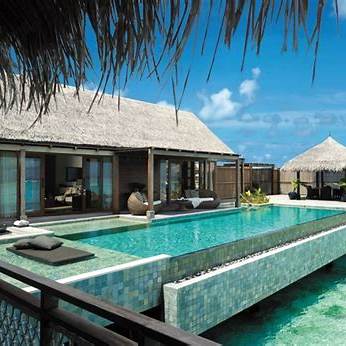
Val d’Orcia Marble-Quiet Manor — The Rhythm of Stone
Set along a cypress-lined ridge, the Marble-Quiet Manor frames the Val d’Orcia like a living fresco. Interiors pair travertine floors with pale plaster walls, drawing in honeyed Tuscan light. Suites open onto loggias facing wheat fields; at dusk, the valley turns bronze while the house candles flicker. The spa is a sanctum of thermal stone pools and a dry herbal caldarium infused with wild rosemary and sage. Dinner unfolds beneath a pergola of climbing jasmine—pici tossed with pecorino from nearby pastures, Chianina carpaccio, and Brunello decanted to a velvet glide. Every note is measured, serene, and deeply local.
Lake Como Aureate Pavilion — Water, Glass, and Grace
On a gentle Lake Como promontory, the Aureate Pavilion celebrates neoclassical symmetry: colonnades reflecting in the water, bronze lanterns warming evening terraces, and drawing rooms with silk-paneled walls. Daylight pours through arched windows; nights glow with the lake’s mirrored moon. Guests drift by wooden launch to private picnic coves, or take morning espresso on a marble staircase that descends straight into clear water. A “floating afternoon tea” ritual—tiered trays on a low lacquered boat—turns the lake itself into a salon. It’s a choreography of water and light, intimate yet impossibly grand.
Piedmont Royal Vineyard Estate — Wine as a Way of Life
In the undulating Barolo hills, the Royal Vineyard Estate is a study in rustic nobility. Barrel-vaulted cellars host vertical tastings guided by a resident oenologist, while a barrel sauna looks out to scalloped rows of Nebbiolo. Truffle hunts begin at first light with a local trifolau and his eager dog, returning to a kitchen primed for tajarin tangled in butter and shaved white gold. Suites carry oak-beam ceilings and caramel leather trunks; terraces overlook a watercolor of vine and sky. Here, time moves by the glass—long, layered, and memorable.
Umbrian Monastic Hideaway — Cloistered Calm, Contemporary Ease
Converted from a 14th-century monastery, this hideaway keeps the hush of cloisters while embracing contemporary ease. Stone arcades ring a central herb garden; the old refectory now hosts candlelit tastings of olive oils and Sagrantino. A bell tower lounge offers sunset aperitivi with views toward Assisi. In-room details lean tactile—linen throws, hand-thrown ceramics, olive-wood trays—anchoring a palette of cloud and moss. Morning yoga takes place beneath fresco fragments; evenings bring Gregorian-ambient playlists and a bath ritual using lavender and myrtle. Sacred, but never austere.
Apulian Sun Courtyard Masseria — Whitewashed Warmth
Down in Puglia, a whitewashed masseria spreads around a limestone courtyard ribboned with bougainvillea. The sea is close enough to scent the breeze; ancient olive trees trace silver patterns across the property. Days begin with warm focaccia and tomato confit, then stretch into bicycle rides to hidden coves, ceramics workshops in a vaulted barn, and twilight swims in a salt-stone pool. At night, lanterns throw soft halos across the courtyard while a guitarist threads tarantella rhythms through the warm air. It’s the easy grandeur of the south—sunlit, social, and utterly generous.
Q&A and Thoughtful Recommendations
When is the best time to visit?
April–June and September–October bring luminous light, mild temperatures, and harvest festivals without peak-summer crowds. Winter (December–February) is quietly magical—fireplaces, truffles, and fewer travelers.
Is this suitable for families or just couples?
Both. Many suites include connecting salons and private gardens. Estate teams can arrange child-friendly farm visits, pasta classes, lake picnics, and gentle cycling routes.
How “exclusive” is the experience?
Privacy is curated through spaced suites, private terraces, and by-appointment rituals (boat launches, tastings, spa circuits). Staff focus on anticipatory service—present when needed, invisible otherwise.
What other resorts share a similar spirit?
Consider Opaline Cypresses Residences (Tuscany) for garden-forward living, Celestial Lago Residences (Lake Garda) for poetic waterside symmetry, Etruscan Sunstone Retreat (Umbria) for art-imbued calm, and Trulli & Tides Manor (Puglia) for heritage architecture with seaside ease.
What experiences feel most “only here”?
A Lake Como floating tea, a dawn truffle forage in Piedmont, vespers-soft aperitivi in a monastic cloister, and jasmine-scented dinners that seem to hold the Tuscan sunset in place.
Conclusion — The Quiet Power of Grandeur
Serene Empire Resorts Italy Countryside Grandeur isn’t about spectacle; it’s about proportion, patience, and the art of savoring. From travertine baths to vineyard dawns, cloistered courtyards to lakeside colonnades, each house offers a private stage for unrushed living. Guests leave with senses recalibrated: the taste of mineral-bright olive oil, the hush of frescoed walls, the glimmer of lantern light on water. The real luxury is the space to notice it all—and to belong, briefly, to Italy’s most serene empire of countryside grace.