The name alone—Sapphire Radiance Resorts Japan Skyline Grandeur—suggests a rare blend of crystalline calm and soaring urban drama. Imagine polished glass meeting lacquered wood, infinity edges framing neon constellations, and hushed tatami corridors dissolving into city panoramas. This curated constellation of stays stretches from Tokyo’s glittering canyons to Kyoto’s lantern-lit alleys and Hokkaido’s snow-bright horizons. Each address interprets “radiance” through a different lens: skyline, season, craftsmanship, and the quiet theatre of Japanese hospitality. Together, they promise a choreography of moments—steam rising from an onsen as night traffic draws silver lines below, tea whisked to soft foam while temple bells breathe in the distance, and breakfast served against a watercolor dawn poured over the sea.
The Collection
Tokyo — Sapphire Skyline Tower Suites
Perched above the capital’s electric grid, these suites float like observatories. Floor-to-ceiling glass turns Shinjuku’s skyline into live art; by day, the rooms hum with clean-lined minimalism in white oak and matte stone, while at night they glow in cobalt accents that nod to the resort’s namesake gem. Expect a private sky-lounge for guests, a micro-gallery of contemporary Japanese designers, and an omakase counter where the chef calibrates each course to the hour’s light—sea-bream at pale noon, uni at star-break. The spa’s “Altitude Onsen” channels mineral-rich water into a granite pool that seems to spill into the city itself.
Kyoto — Radiance Garden Ryokan
Here, “grandeur” whispers rather than shouts. Sliding shoji screens open to pocket gardens of moss and maple; suites are layered with handwoven washi, hinoki fragrance, and subtle indigo textiles. Kyo-kaiseki arrives as a quiet procession: mountain vegetables lacquered in yuzu, river fish grilled over binchotan, and a tea ceremony concluding in a private pavilion. At dusk, staff can arrange a lantern walk along the philosopher’s path, where reflection pools mirror the first stars. The result is a luminous intimacy—Kyoto distilled into a soft, lasting afterglow.
Setouchi — Glass Horizon Villas
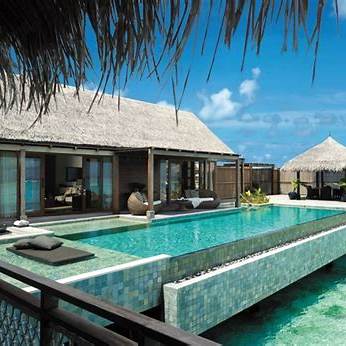
Suspended above the Seto Inland Sea, these villas blur architecture and atmosphere. Retractable glass walls erase thresholds so the breeze threads through linen daybeds and pale-stone terraces. Mornings begin with paddleboarding across water the color of pale jade; afternoons drift into sake tastings with island brewers. Each villa has a saltwater plunge pool aligned to the horizon, so sunset performs as a private ritual—amber, apricot, and finally deep sapphire folding into night. For dinner, the kitchen curates a maritime harvest: oysters cracked within minutes of the tide, citrusy tai carpaccio, and charred octopus with shiso.
Hokkaido — Aurora Ridge Pavilion
In winter, the resort becomes a hush of blue-white light. Suites balance wool, ash wood, and smoked glass; fireplaces spark against giant windows where snow fields roll to the edge of forest. After powder runs or snowshoe trails, guests descend into a subterranean onsen framed by black basalt and candle niches. The “Northern Radiance” tasting menu pairs alpine vegetables, sea urchin, and Wagyu from Tokachi, finishing with milk ice cream that tastes of pasture and sky. On clear nights, staff choreograph stargazing with blankets, hot amazake, and the occasional ribbon of aurora—if luck tilts your way.
Q&A and Smart Picks
Who is this collection best for?
Couples seeking cinematic settings, design lovers who appreciate Japanese craft, and families who want privacy without losing access to culture and cuisine. The Tokyo suites suit business-meets-pleasure; Kyoto is for slow rituals; Setouchi for sun and sea; Hokkaido for winter wonder.
When should I go?
- Sakura (late March–early April): Kyoto and Tokyo bloom in soft pastel light.
- Summer (June–August): Setouchi’s islands shine—gentle seas and golden evenings.
- Autumn (October–November): Kyoto’s maples flare crimson; crisp air, perfect kaiseki.
- Winter (December–February): Hokkaido’s powder and onsen season—pure quietude.
Is onsen etiquette difficult?
It’s simple: rinse thoroughly before soaking, enter quietly, and leave devices in the locker. Many suites offer private baths if you prefer solitude.
How do I move between locations?
Shinkansen links Tokyo and Kyoto seamlessly. Flights and limited express trains reach Setouchi and Hokkaido; concierge teams align transfers with your itinerary.
Are there alternative hotels to consider?
- Gilded Lantern Hotel (Kanazawa): Gold-leaf artistry meets boutique calm; perfect for craft lovers.
- Crimson Wave Ryokan (Atami): Oceanfront onsen with dramatic cliffside views and seafood feasts.
- Pearl Crest Tower (Osaka): High-floor suites, street-food tours by night, river-glow vistas.
What experiences feel most exclusive?
Private sushi ateliers for two, after-hours temple garden access in Kyoto, island-hopping by wooden cruiser in Setouchi, and guided off-piste powder runs followed by chef’s-table ramen in Hokkaido.
Conclusion — The Exclusive Glow
Sapphire Radiance Resorts Japan Skyline Grandeur is not a single address, but a journey measured in tones of light: the metallic sheen of Tokyo at midnight, the tea-warm amber of Kyoto at dusk, the glassy turquoise of the Seto Sea, and Hokkaido’s moonlit silver. Across these stays, luxury isn’t loud; it’s finely tuned—materials that breathe, flavors that bloom at the right minute, views that align like a lens clicking into focus. Come for the skyline, stay for the rituals, and leave with a private gallery of luminous moments only Japan—and this collection—can compose.